


Life is too short.
Growing evidence suggests that social connection, optimism and self-awareness help people live longer. Because extending life and aiming for longevity isn’t about adding years; it’s about making each year feel richer, more whole and reframing what can sometimes feel like a repetitive loop. But what does this even look like in this new digital age? Tuning in on the self has never been more challenging, amidst the thousands of self-proclaimed self-help voices crowding social media.
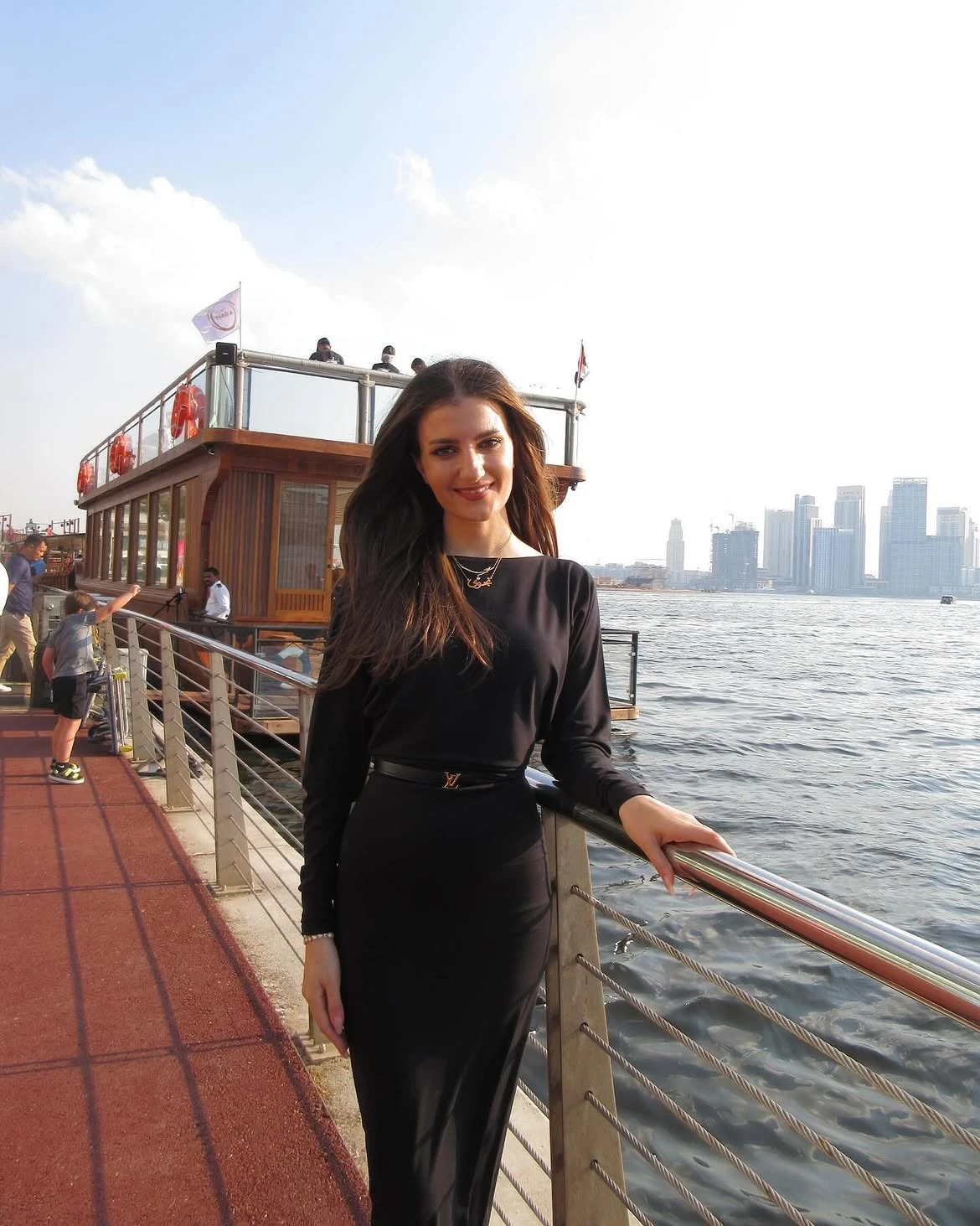
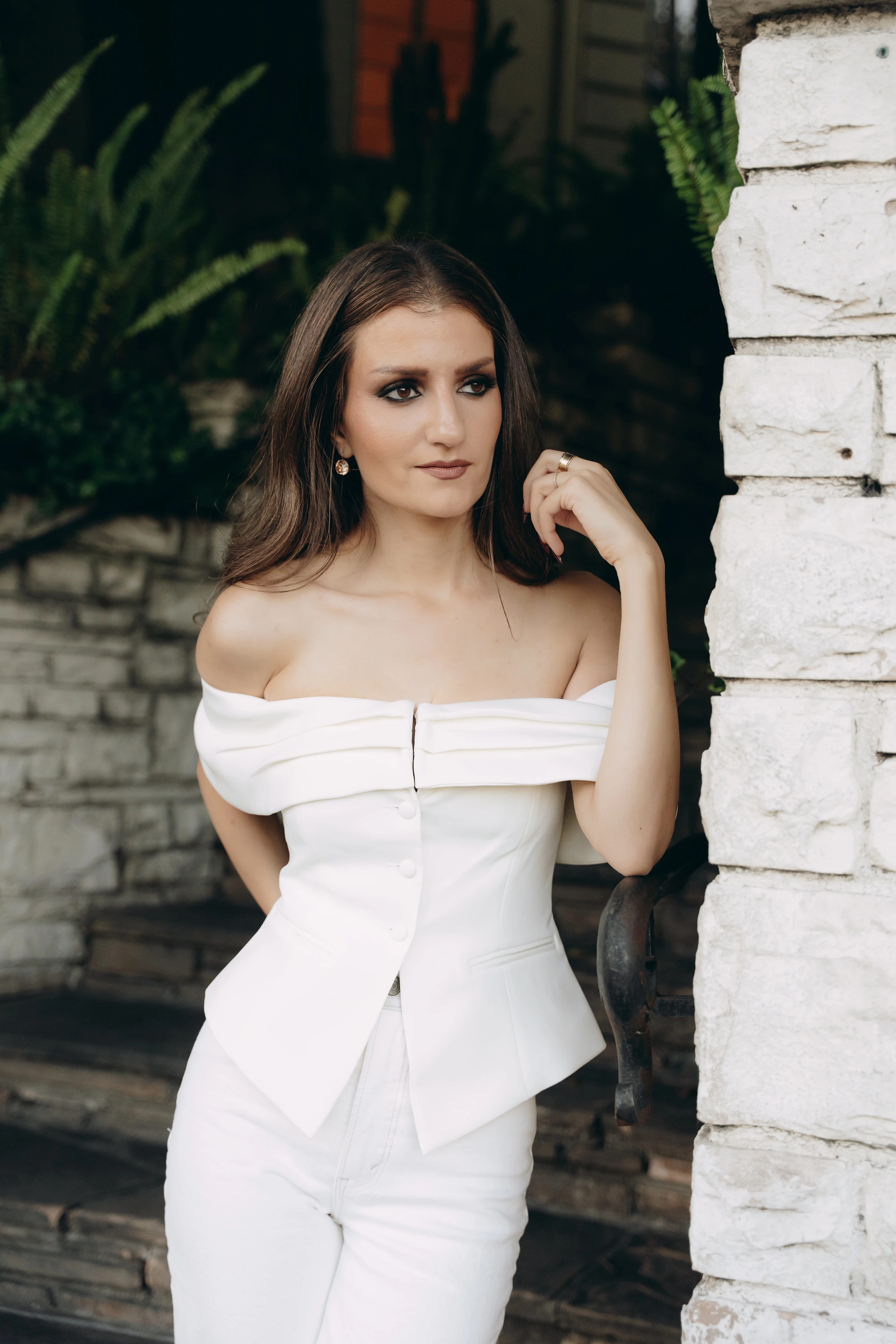
Enter: Najwa Zebian, a Lebanese-Canadian poet whose soft, spoken words broke the internet and had her 1.2 million followers calling out for more. Something deeper.
You Might Also Like: 8 questions you’ve always wanted to ask a happiness expert
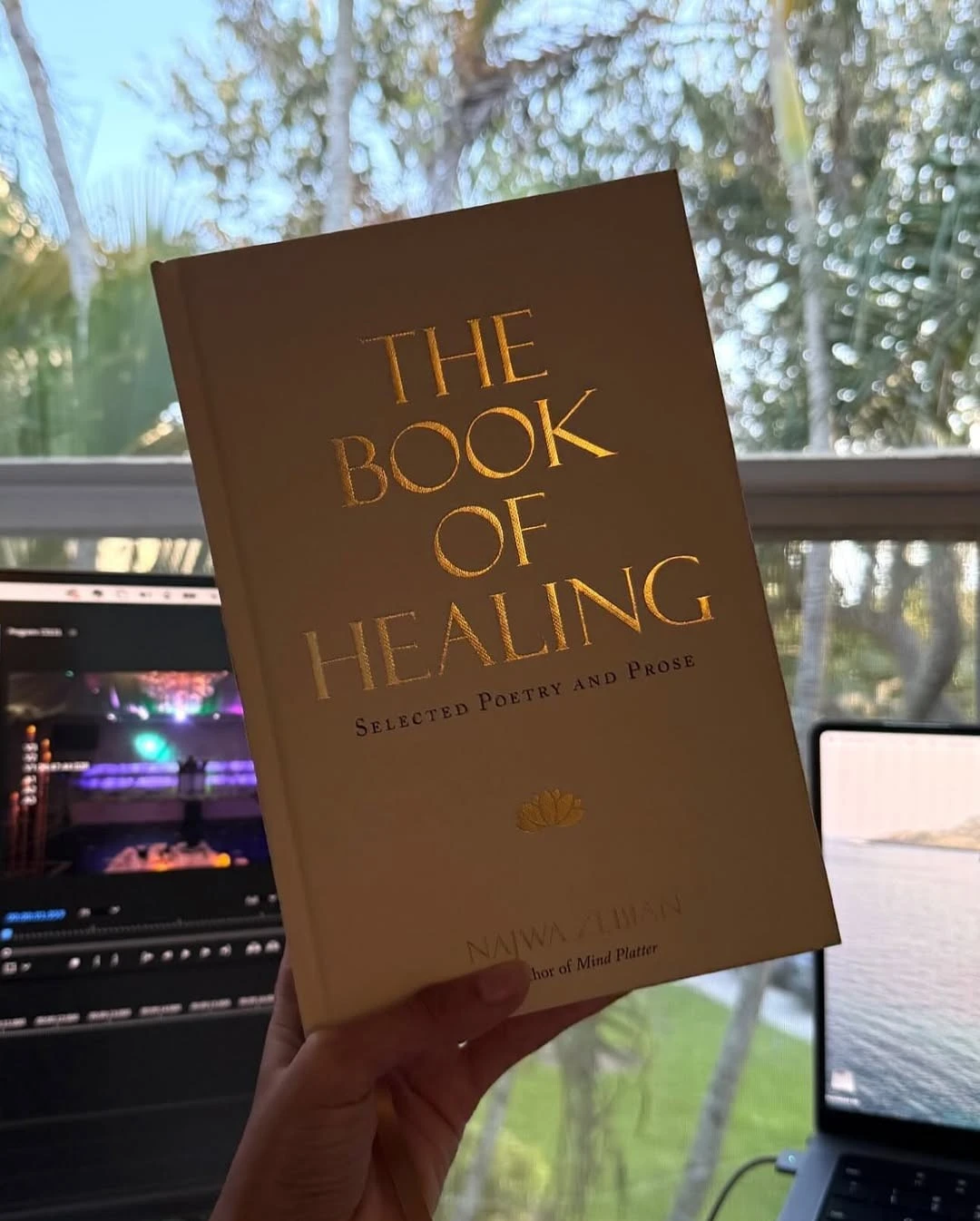
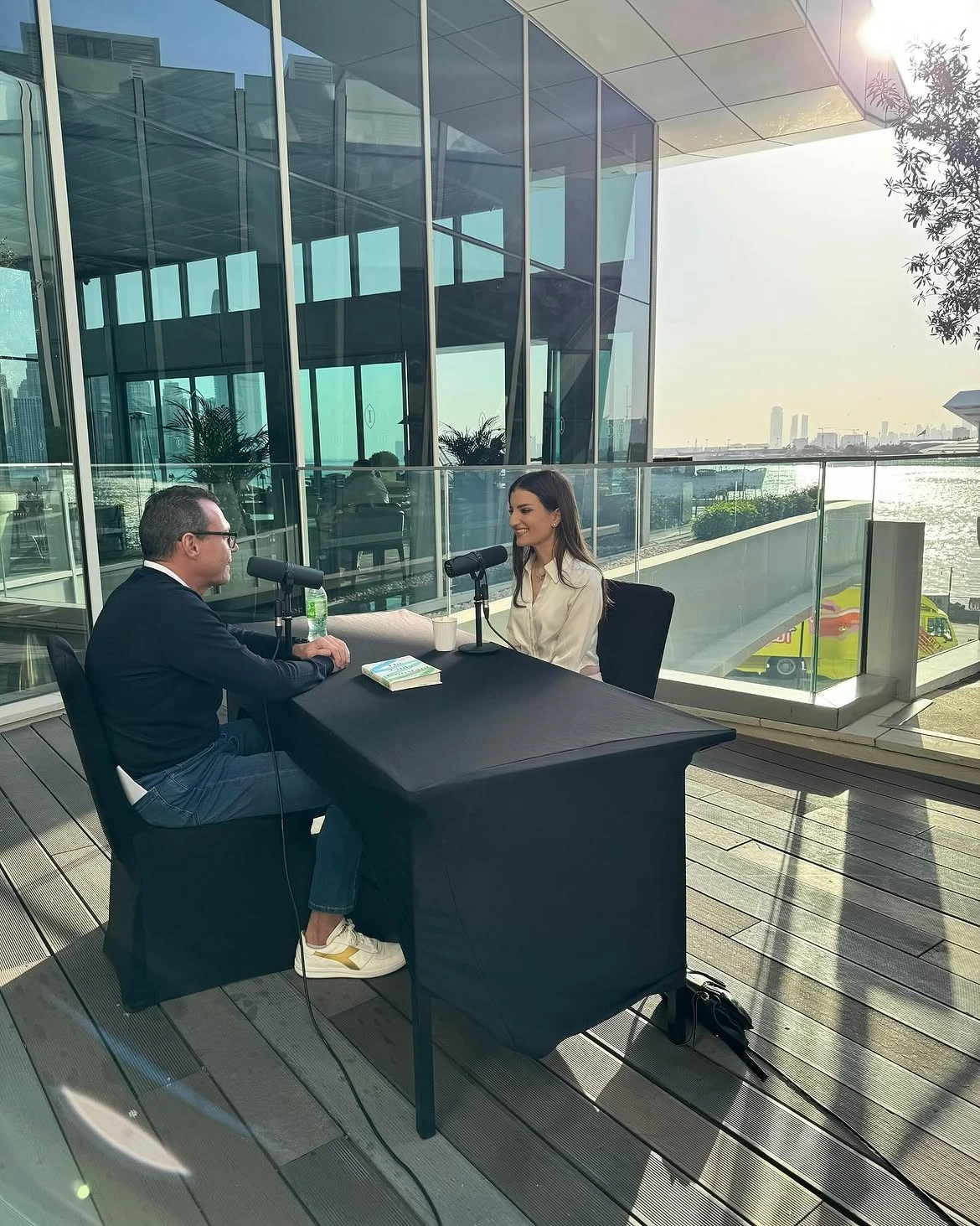
Today, the celebrated poet, activist and self-help guide is known worldwide for her profound explorations on self-healing, identity and belonging. She has published six best-selling books; earned her Doctorate in Educational Leadership; hosted over 60 podcast episodes with leading names; attended top culture fairs including Emirates LitFest; and amassed millions of readers worldwide.
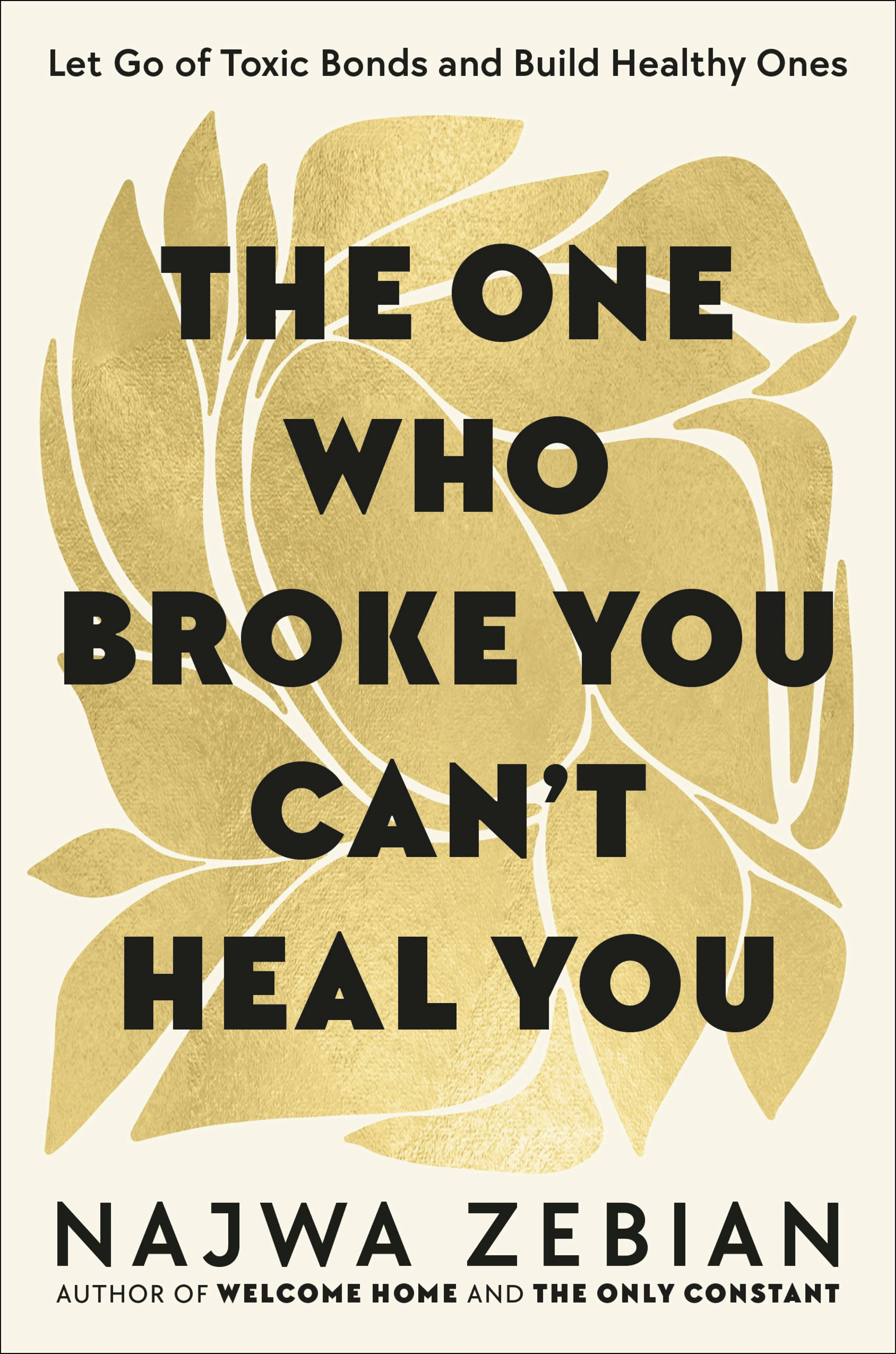
Ahead of her upcoming work, The One Who Broke You Can’t Heal You, Najwa Zebian explores her untraditional pathways to emotional intelligence and international success:
1. What were the most formative moments that shaped your love for the written word?
In 2012, when I started teaching my first group of students who were refugees to Canada from Libya, I was taken back to my 16-year-old self who moved to Canada and felt like an outsider in my own life. I started writing to heal my students and let them know that they are welcome as they are, that they don’t have to work hard to fit in. In reality, I was doing the work to heal my 16-year-old self who never healed.
2. How has your Lebanese-Canadian background and cultural heritage shaped your view of speaking out?
I grew up living right across from the mosque in our village in Lebanon. Five times a day, I’d hear beautiful poetic verses of the Quran. My grandma always told me stories of the prophets about kindness, character and integrity. My dad had a floor-to-ceiling library in our house filled with poetry, history and philosophy books. In his car, we always listened to Um Kulthoum and Abdel Halim Hafez.
That upbringing – with the experiences of displacement, exclusion and isolation I felt moving to Canada at such a young age – fuelled within me a rage that absolutely demanded to be expressed.
Is it weird to say that it hasn’t really hit me yet? My favourite moments are not when I receive a comment or DM, even though I do always feel moved by them. My favorite moments are when someone recognises me in public and tears start streaming down their face because my writing truly did make them feel seen in their pain. I once had a woman tell me: “Your writing helped me break the generational curse of women in my family submitting to abuse.” That means a million times more to me than how many people “follow” me.
4. When did you decide to transition from poetry to self-help books? What was that turning point like?
I always received feedback from people that my writing made them stop their scroll. It made them want to go deeper. People who read my work wanted the stories behind my poems.
So, I answered the call with my first self-help book, Welcome Home, which guided people to build a home for their soul. It’s safe to say that there really was no turning back after that. Poetry and self-help go hand in hand for me.
5. You often write about your own traumas and misgivings. Do you find that creative process therapeutic, or does it open up old wounds?
I mean, what is therapeutic if it doesn’t open up old wounds? We don’t truly heal what we don’t feel. And it’s not about reliving the trauma to re-traumatise ourselves or live with a victim mentality. Writing does force me to revisit old wounds, but with a fresh outlook that helps me stitch them in a way that leaves them in a better state. Revisiting old wounds helps me rewrite the endings they taught me. With my own pen – not the pen of those who traumatised me.
6. Can you give LIST readers practical ways to cultivate closure and inner healing when things end?
Reframe what closure actually is. Closure is a myth. That’s a hill I will die on. The reason someone hurt you does not matter; the fact that they did hurt you is what matters. Why would you give the healing power to the person who broke you? You get your closure by giving yourself permission to feel the pain of what they did and get yourself back up on your own. Don’t have “the last conversation.” You think this conversation will put a nice end to your story with someone, but all it really does it prolong your pain, give you hope, or leave you with more questions. If the relationship was chaotic, the ending will be chaotic. And you don’t heal by trying to make it peaceful. You heal by getting yourself out of the chaos.
7. How can we stop seeking external validation, to focus on self-love?
I don't think the problem is seeking external validation. I think the problem is seeking validation from people who don't see us for who we are.
Through my writing, I want to encourage people to learn about adult human needs in relationships. There's nothing wrong with wanting validation, attachment and belonging from the people in our lives. The wrong thing is seeking that validation from the wrong people. And maybe the way to do that is to decide who is worthy of our presence and love in the first place. Whose validation should we actually seek? If they don’t see us for who we know we are, they are not worthy of us seeking validation from them.
8. What does it mean to "come home" to yourself in a world that constantly pulls us outward?
To come home to yourself means to feel “together” with yourself. To feel whole. The foundation of a home within is made of self-acceptance and self-awareness. If you work on that strong foundation, you genuinely cannot welcome into your home – into your life – people who are not good for you.
When you focus on creating a space, or rooms within your home, for self love, forgiveness, compassion, clarity, surrender – and a dream garden outside, with a fence (your boundaries) around it all – you stop seeking those things in others.
9. What’s the most profound lesson you would like readers to take away from your upcoming book, The One Who Broke You Can't Heal You?
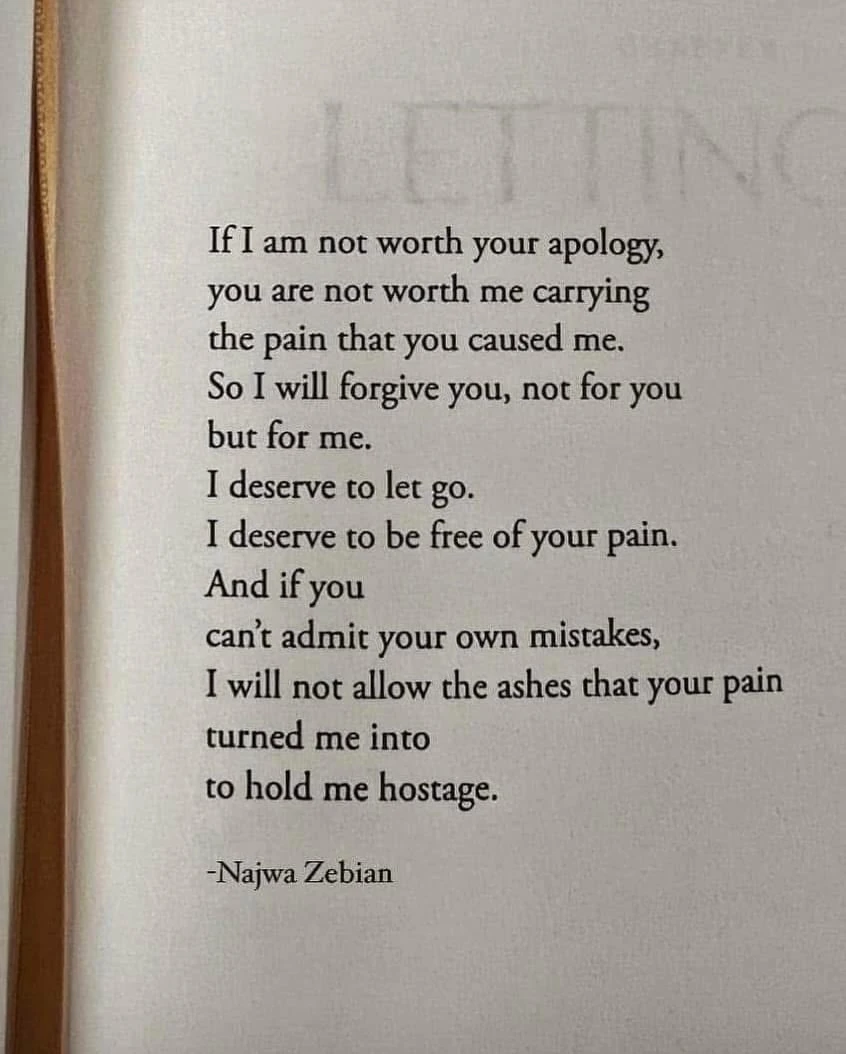
You don't need their apology or acknowledgement to move on. You don't need closure from them. You know what they did. You know how it felt. Stop waiting for their admission. The person who you trusted with every fiber of your being to never hurt you, who decided to hurt you, is not the one who holds the power to heal you. You are.
The One Who Broke You Can't Heal You will be available for purchase on August 25, 2026
Pre-Order your book here
@najwazebian


