


For the better part of a decade, if not longer, the Gulf's tourism story has been one of near-relentless ascent, but this year tested that momentum like never before.
This year, the region has experienced a prolonged period of instability for the first time since COVID-19; it has disrupted travel across the Middle East, emptied hotel corridors that had grown used to being full, and, in some quarters of the international media, invited premature verdicts on destinations that had spent years building their reputations. What emerged, though, was not retreat but reinvention: faced with a sudden absence of international visitors, the region's hoteliers turned to the markets closest to home, rethinking everything from wellness to flexibility, guided throughout by a strikingly human instinct to protect their teams, reassure their guests and treat local travellers with the same care once reserved for long-haul arrivals.
As the industry charts its recovery, high-end hoteliers from across Saudi Arabia, the United Arab Emirates and Qatar tell List how they navigated such demanding times, what they learned along the way, and what the future has in store.
You Might Also Like: Data confirms the staying power of Saudi staycations, as domestic tourism booms
Saudi Arabia
At the start of this year, tourism in the Kingdom was flourishing: a Vision 2030 objective to attract 100 million visitors per year had been upped to 150 million after the target was hit seven years early. Over 37 million tourists explored the country in Q1 of 2026, an 8% increase on the previous year. Though this period of regional instability has been challenging, several Saudi hospitality leaders spoke to us at List Magazine about how they expect recovery to come quickly, and not least because the nation’s 35-million-strong population endows it with a substantially bigger domestic market than its GCC peers.
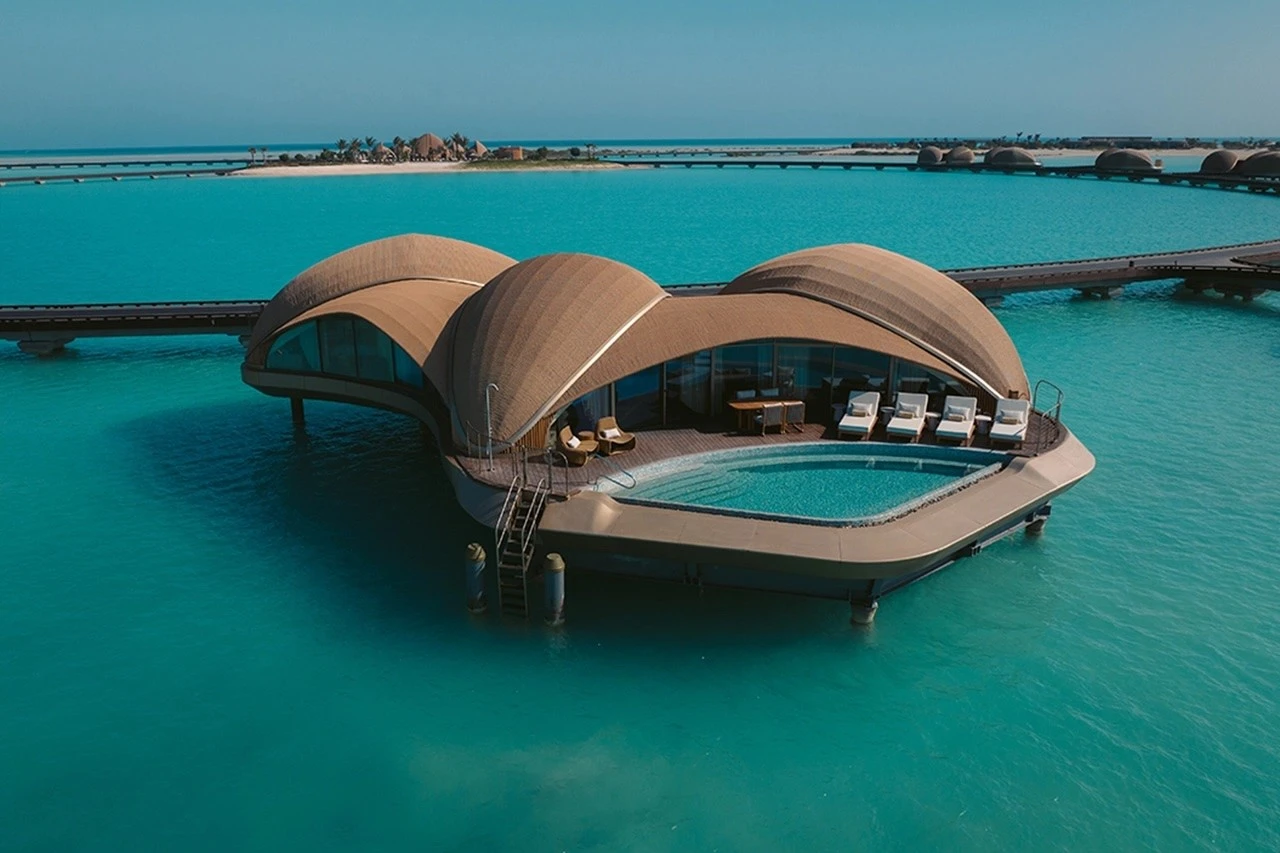
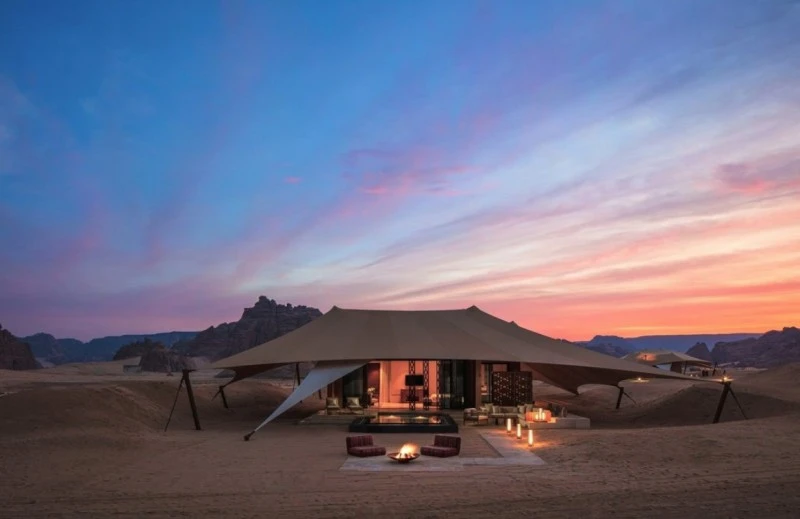
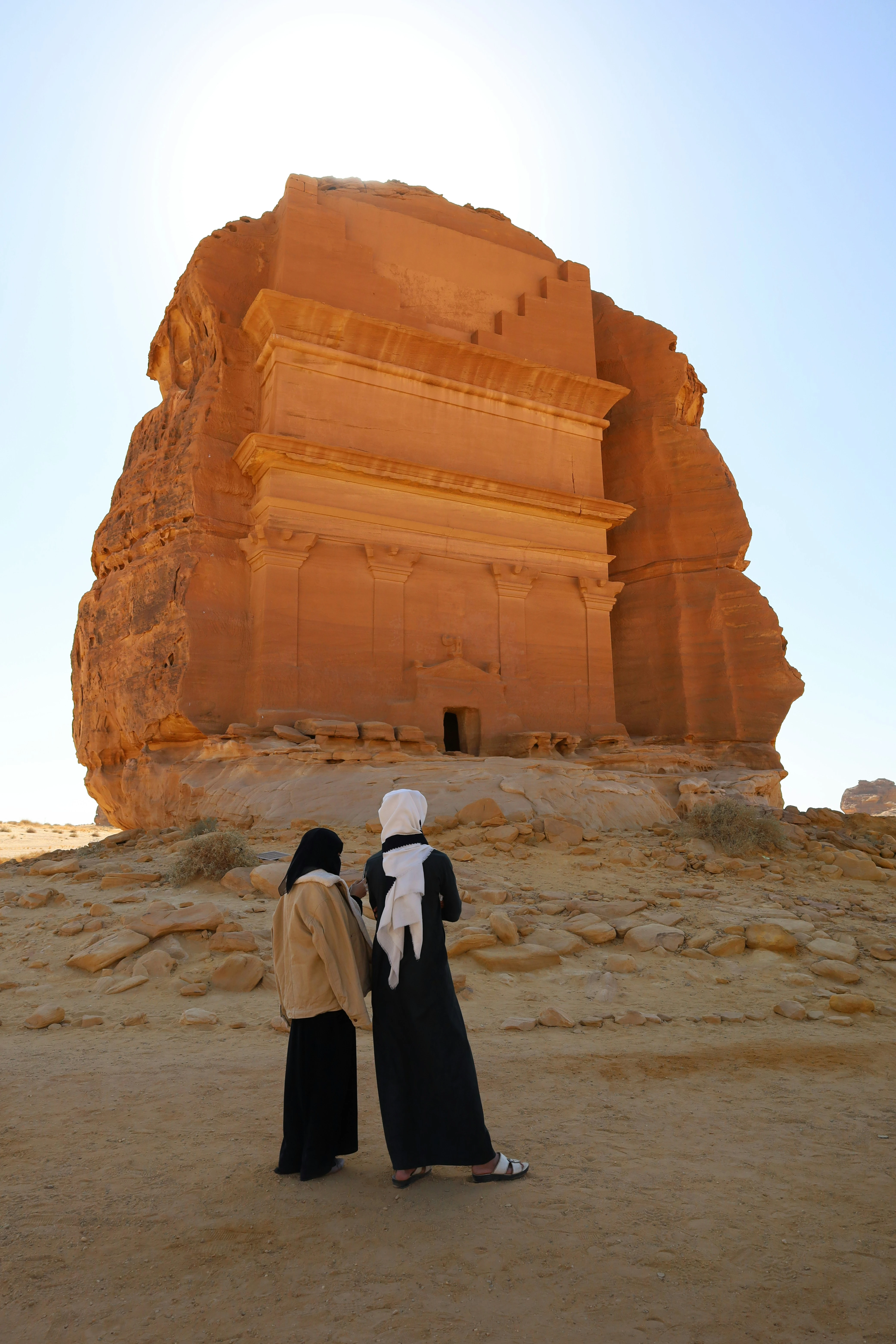
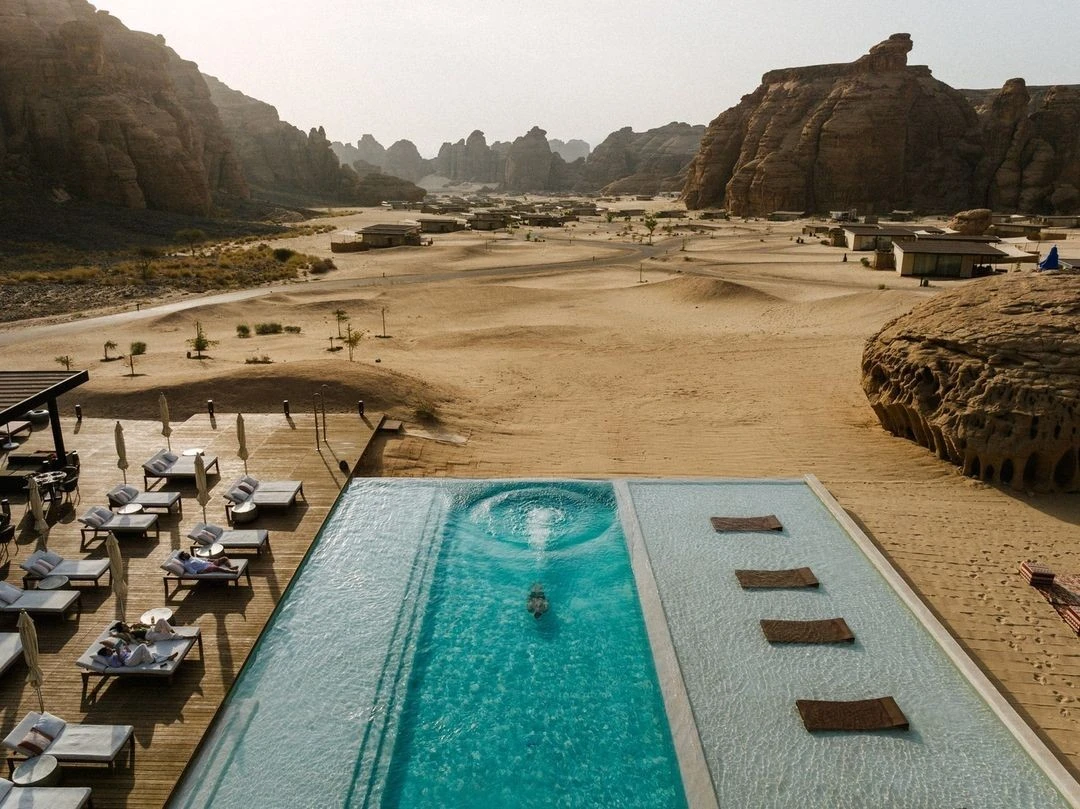
The cushioning provided by that in-built customer base has been evident at destinations such as The Red Sea, which was reported to have attracted particularly strong staycation crowds during Eid, and at AlUla. Area General Manager of Banyan Tree AlUla and Our Habitas AlUla, Bhavest Rawal says the area’s “remote setting, natural landscape and sense of space” drew travellers “seeking a peaceful and restorative escape”, but nonetheless those wider challenging circumstances necessitated deep reflections on how to do business effectively.
For Rawal, much of that came down to operating with empathy for colleagues and clients alike: “Our team members also see the news and worry about what uncertainty means for their jobs and families. As leaders, we must be transparent and calm [to make sure they] feel informed and supported.” Customers, meanwhile, were offered significant booking flexibility: “Guests recall how a hotel handled them when plans were disrupted just as vividly as they remember the room, the food or the view.”
COO of Barcelo Hotel Group’s operations in the Mediterranean, Middle East and Asia, José Canals Palou has noted a similar shift in how his teams do business (in its GCC properties in Riyadh, the UAE, Bahrain and Oman), and it’s one he expects to become permanent: “We have become closer to our guests. There is now a stronger emphasis on listening, understanding evolving expectations and adapting accordingly. These changes have strengthened our ability to deliver a more agile, guest-centric hospitality experience that will shape our strategy moving forward.”
General Manager of Mansard Riyadh, A Radisson Collection Hotel, Hans Konings has also been thinking about ways to alleviate his guests’ worries (in a practical sense, a well-received Floatation Sound Therapy experience introduced during the unrest at the L’Occitane Spa will become a permanent part of the property’s wellness offering). His biggest takeaway, though, is just how important it is to invest in personnel: “Engaged, well-trained employees are far better equipped to adapt to changing guest expectations while continuing to deliver exceptional hospitality.”

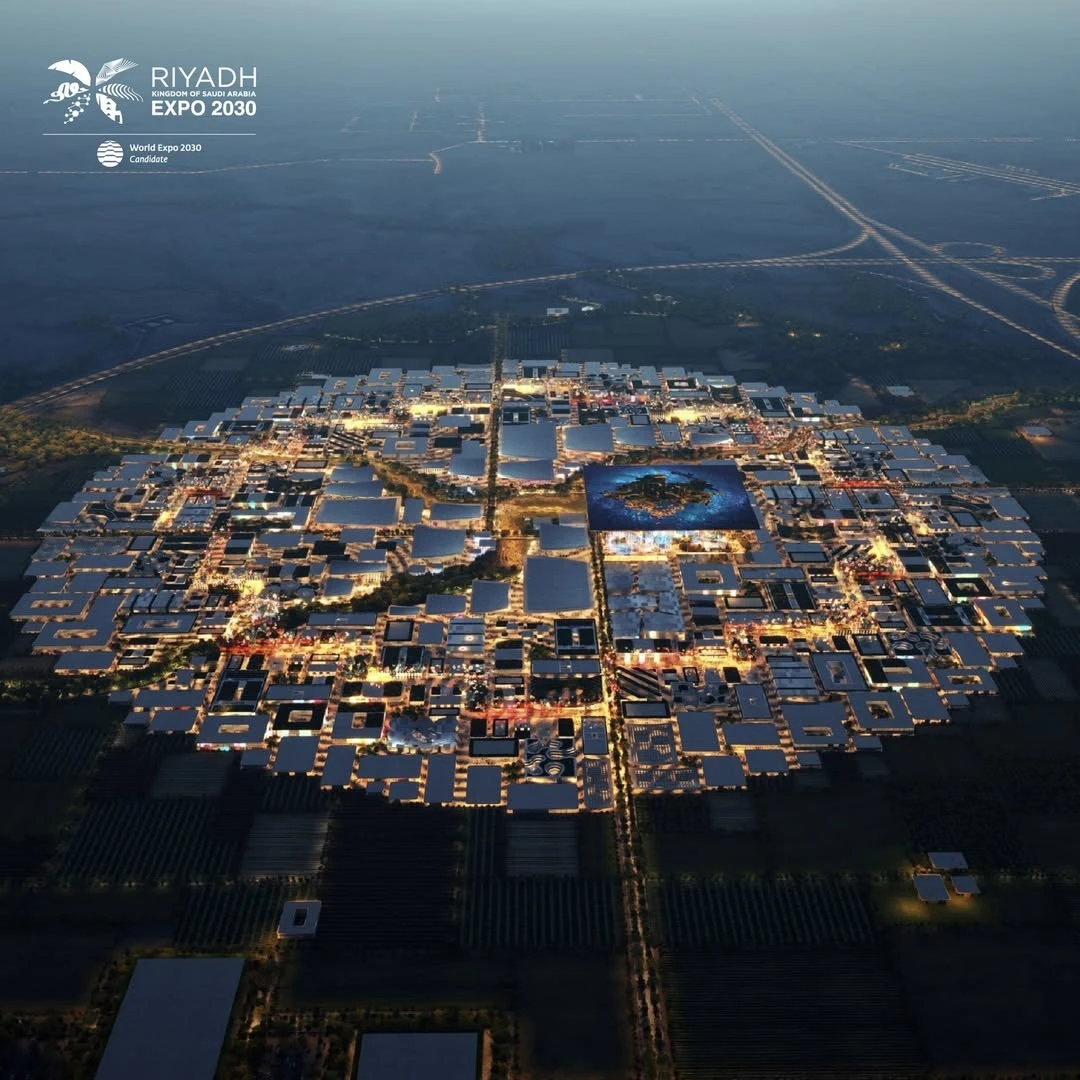
Supporting a new generation of Saudis so they can do just that is another central tenet of Vision 2030, which aims to deliver 1.6 million tourism-related jobs nationwide by the end of the decade. It’s a sizeable step up from the 1 million or so tourism jobs in place today, but with a swathe of forthcoming tourist attractions to come, major hotel openings scheduled in Diriyah, Qiddiya City and of course the Red Sea, and events such as the 2034 World Cup and Expo 2030 in the works, there’s plenty of opportunity for growth. Though AlUla’s Rawal has noticed prospective guests have been increasingly booking stays with short lead times rather than months in advance, he’s already noticed strong demand for stays this autumn and winter and is optimistic: “Saudi Arabia’s tourism sector has a level of resilience that should not be underestimated.”
United Arab Emirates
When the conflict first erupted, the world’s media focused primarily on Dubai when reporting on how the unrest was affecting the region’s travel industry. Little wonder: a tourism powerhouse, the emirate is home to 820-plus hotels (with more than 150,000 rooms between them) and accomplished an enviable 81% occupancy rate in 2025. Last year, the city welcomed 19.6 million international overnight visitors - its third consecutive record year. Some international media outlets reported on the destination’s supposed downfall almost gleefully.
You Might Also Like: The Billion-Dollar Pause: Inside the Burj Al Arab’s renovation that will redefine luxury hospitality (again)
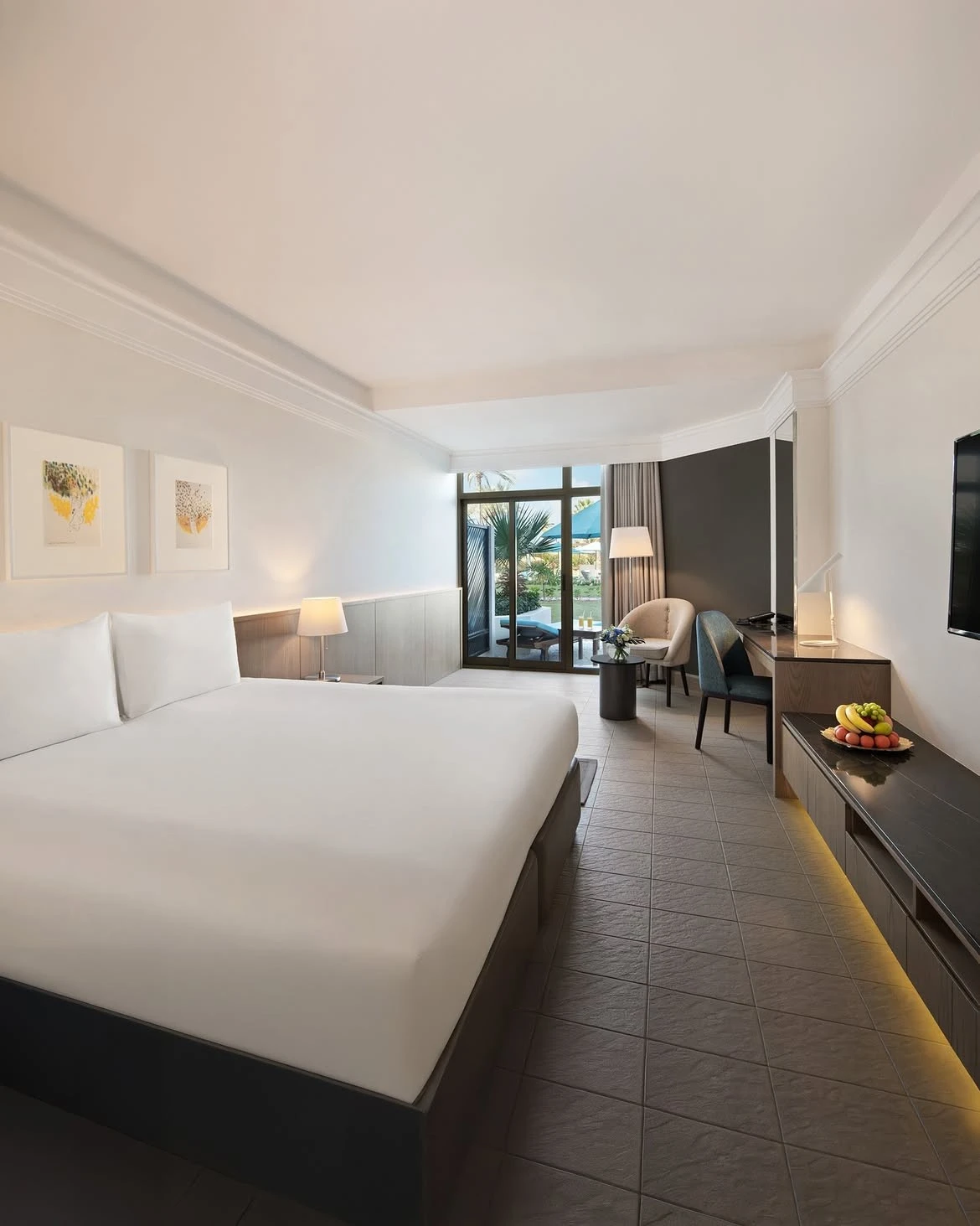
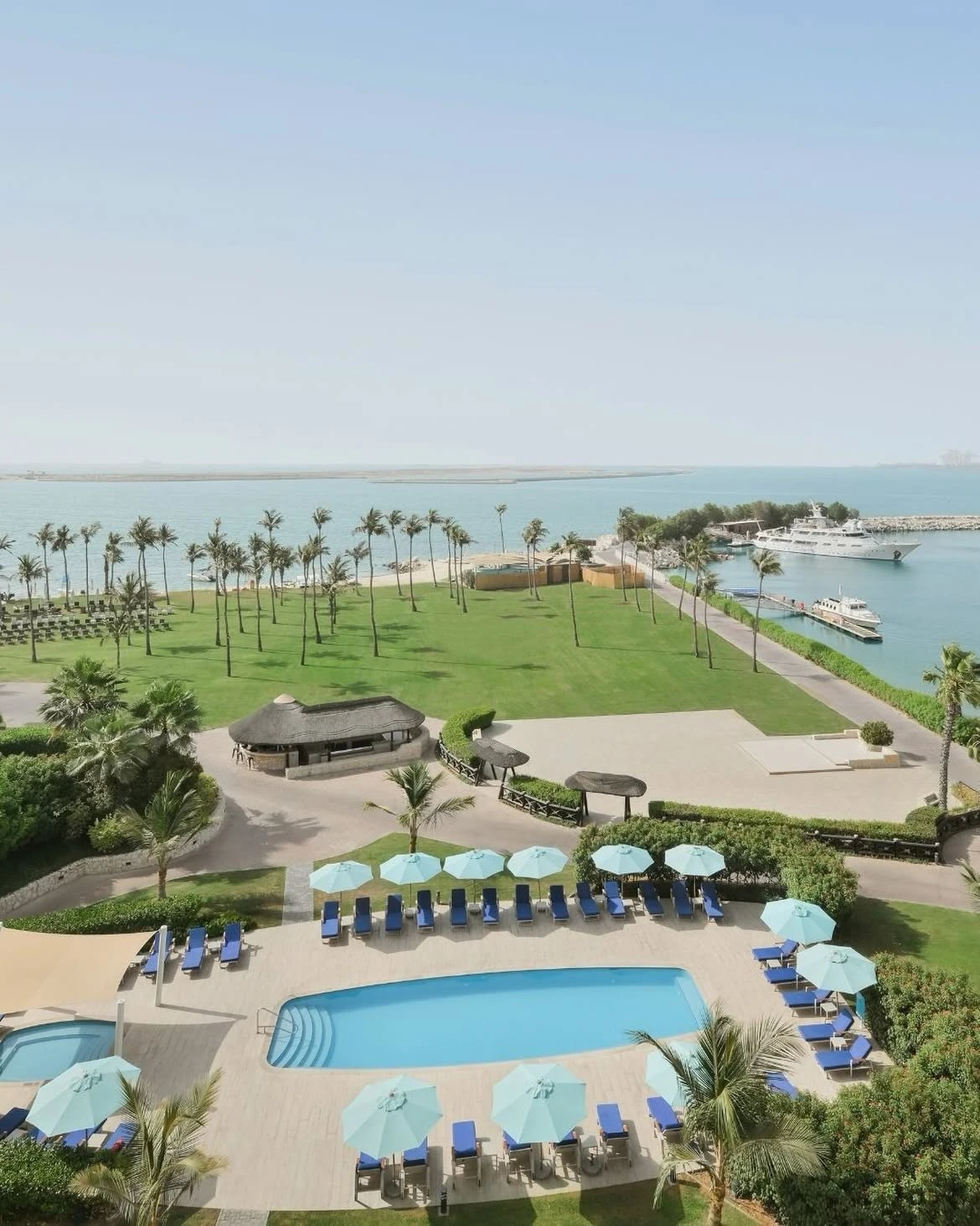
Meanwhile, the city quickly introduced a series of economic measures to support hospitality businesses, including waiving hotel sales fees as one component of wider economic support packages worth Dhs 2.5 billion. Across the board, hotels responded to an absence of foreign tourists and intense competition with incentives that included room rates that were fully redeemable against F&B, long-stay benefits and co-working packages.
General Manager of the JA The Resort destination, with its three on-site hotels, Rene D. Egle was among those striving to attract a highly in-demand local market. He found little tweaks secured big returns: “We launched day passes that introduced a lot of locals to us for the first time. Many of those guests have since come back for weekend stays and family holidays.”
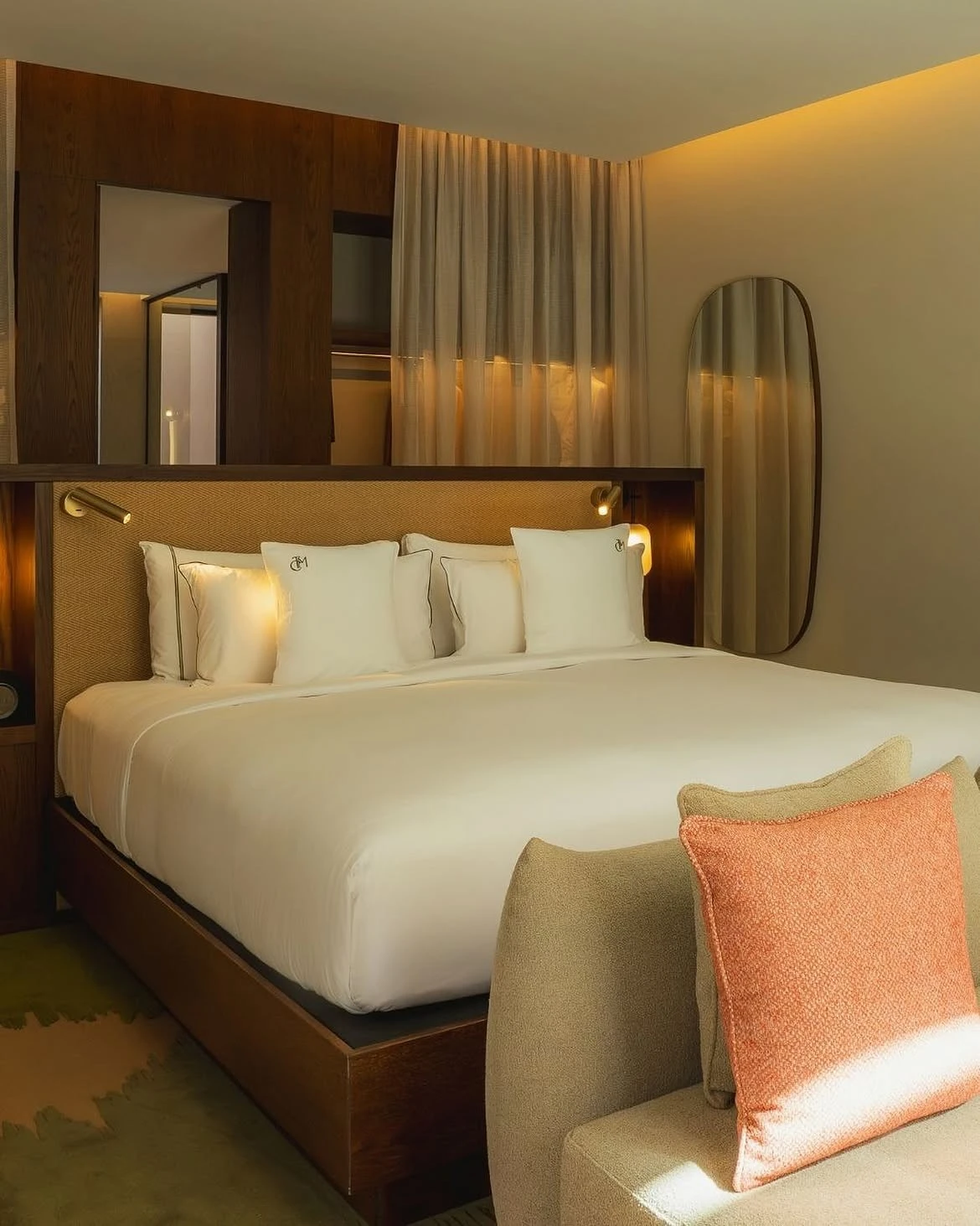
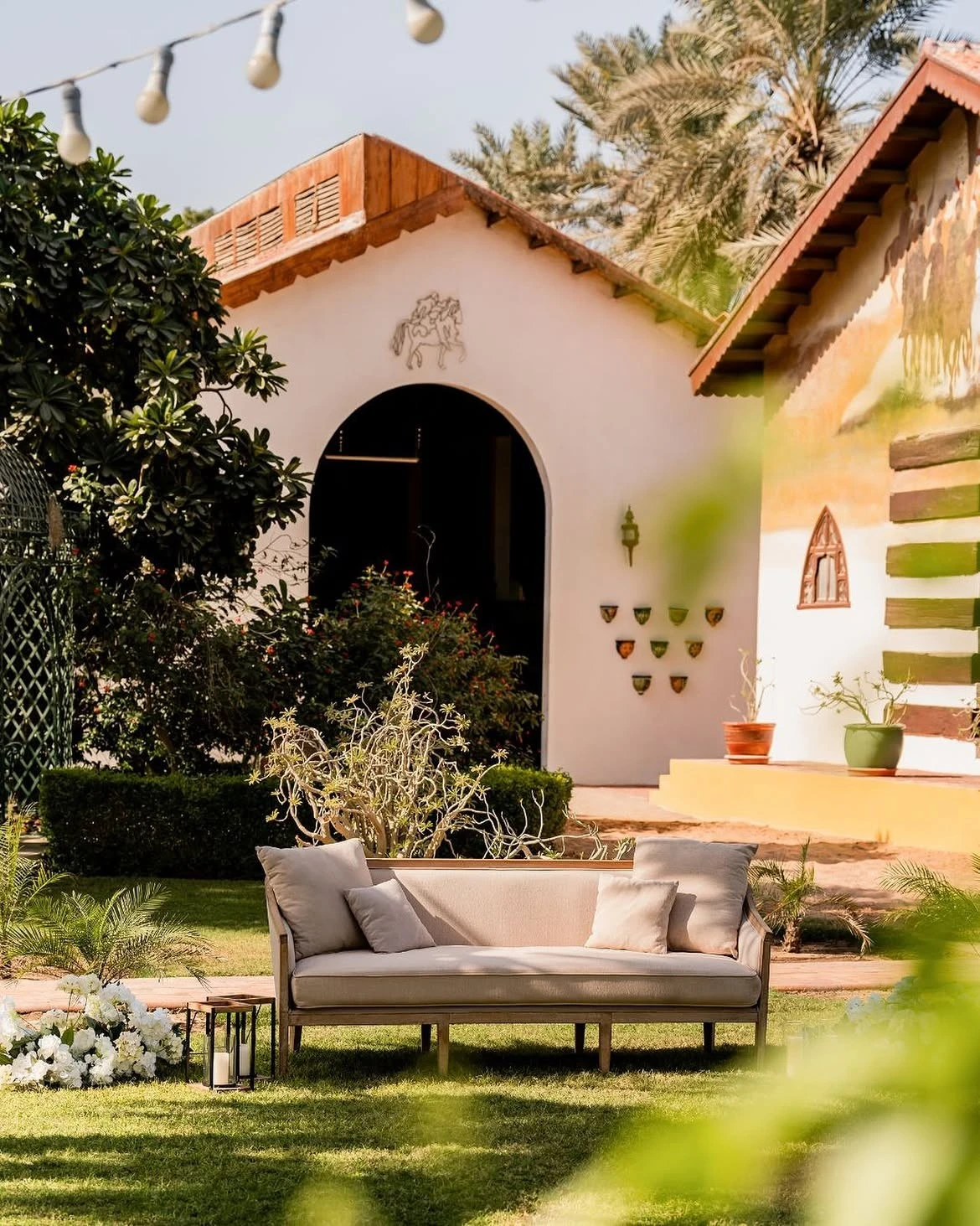
Representing Meliá Desert Palm, Pavlina Tarabova Alghamdi was one of the relatively rare Dubai general managers who didn’t seek to attract locals with price drops: “Even in the face of inflation, geopolitical tensions and economic uncertainty, people prioritise travel because experiences have become one of the few luxuries they actively choose to protect.” With Dubai often targeted at the height of the war, an enhanced emphasis on wellness offerings at the resort proved to be commercially valuable: introduced initially to help the local community deal with stress, a series of sound-healing sessions was soon booked out for months in advance. Other expanded wellness offerings include hypnotherapy, psychotherapy and equestrian-assisted therapy.
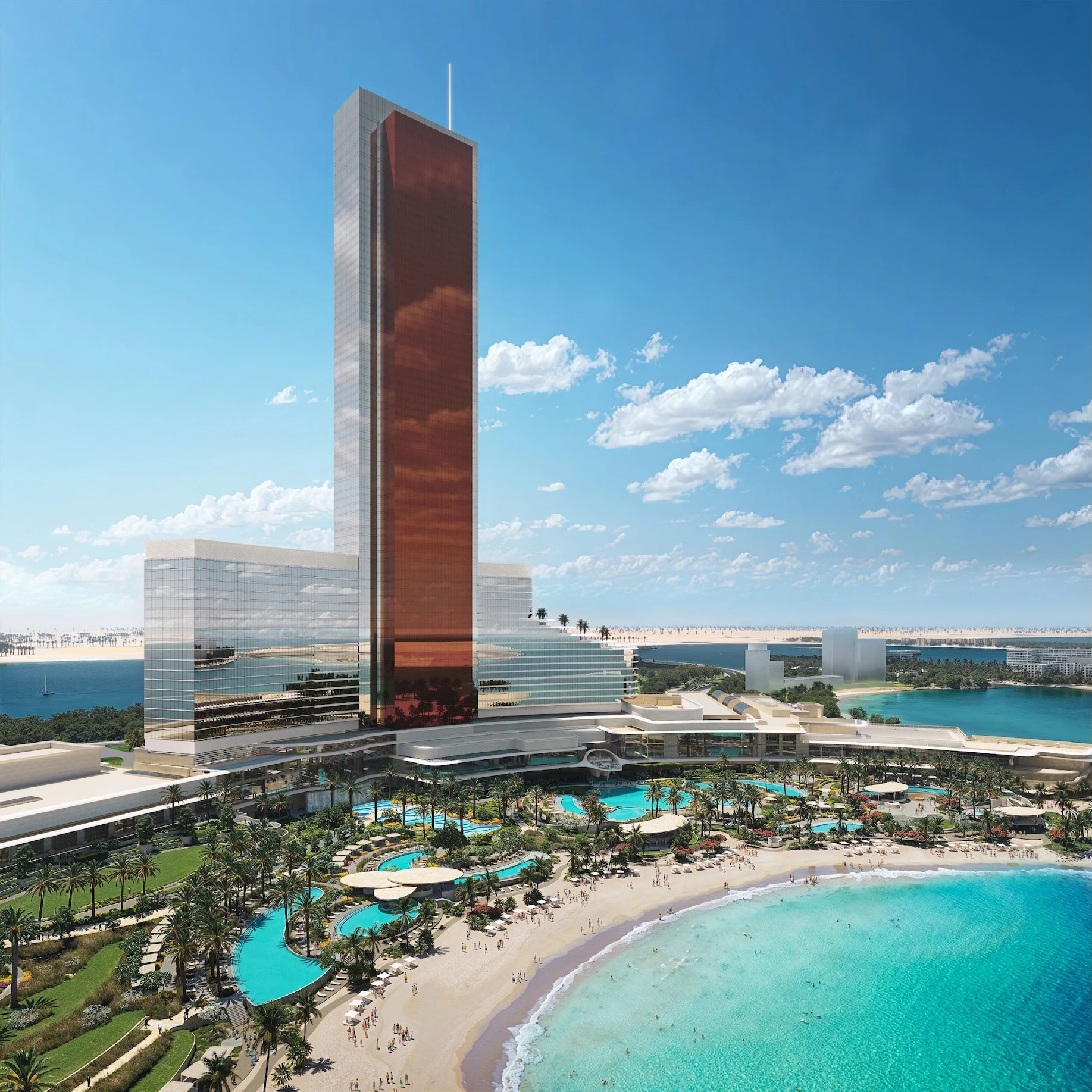
Tired Dubai and Abu Dhabi residents provided a huge uptick in custom at more remote retreats in other emirates, too. Ras Al Khaimah’s resorts were exceptionally popular on weekends - the emirate attracted double the number of domestic visitors in March and April 2026 compared to the previous year. The challenge for that emirate is to now convert that sudden surge into longstanding engagement: Ras Al Khaimah aims to attract 3.5 million annual visitors by 2030 - up from 1.4 million last year. Its pipeline of forthcoming openings should help, and includes hotels from Four Seasons, Fairmont, Taj Hotels and the landmark Wynn Al Marjan Island, a US$5.1 billion investment with 1,530 keys, 20-plus restaurants and the UAE’s first casino.
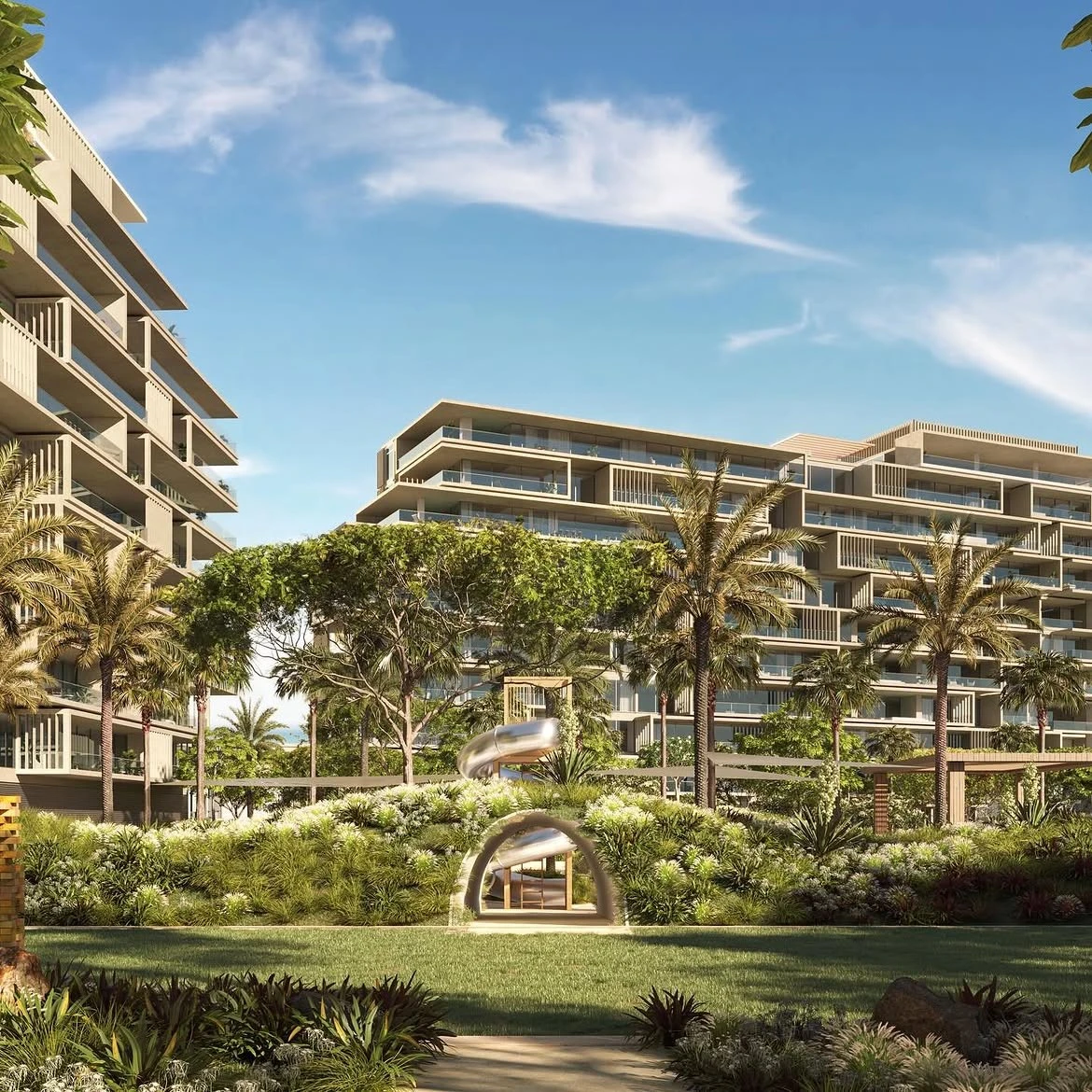
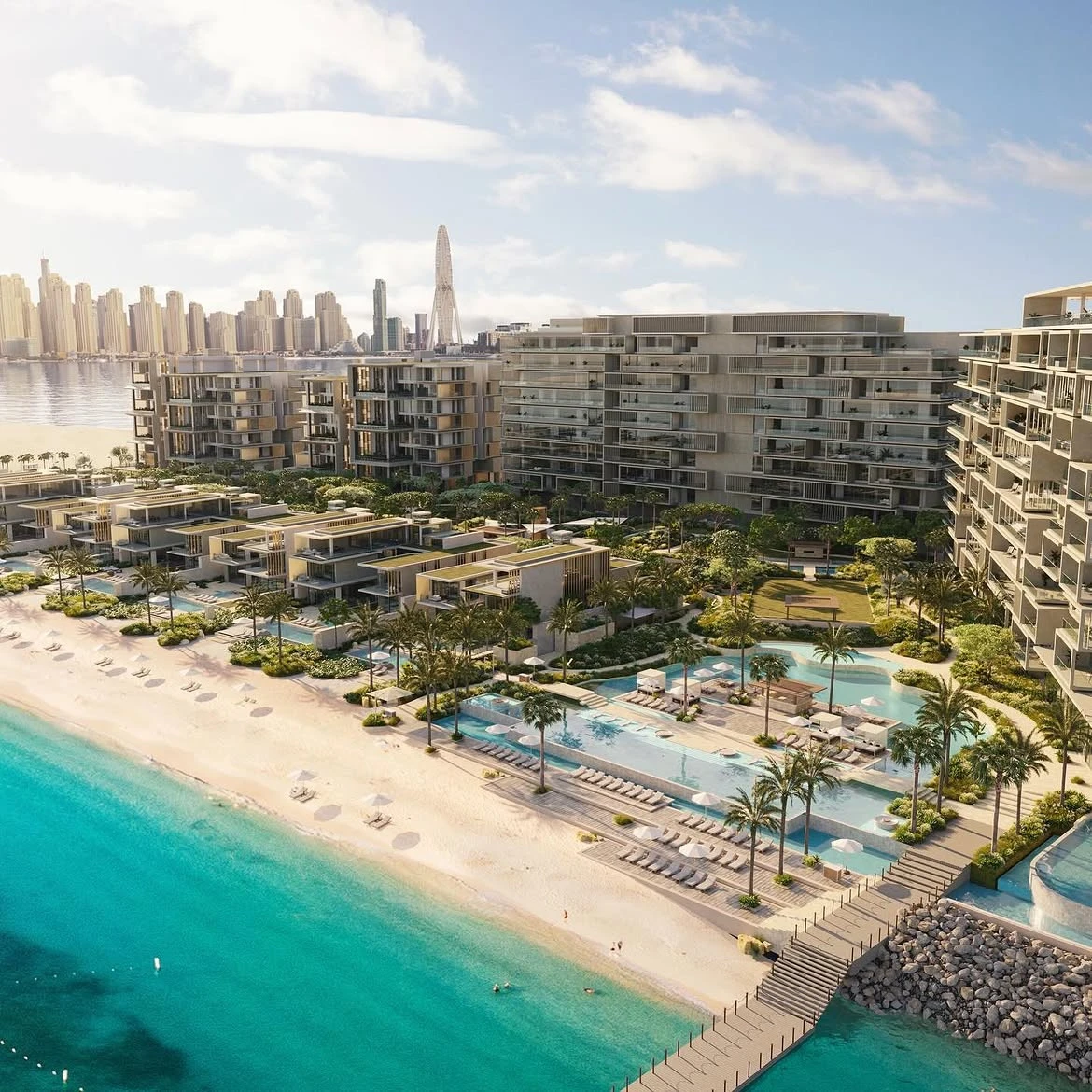
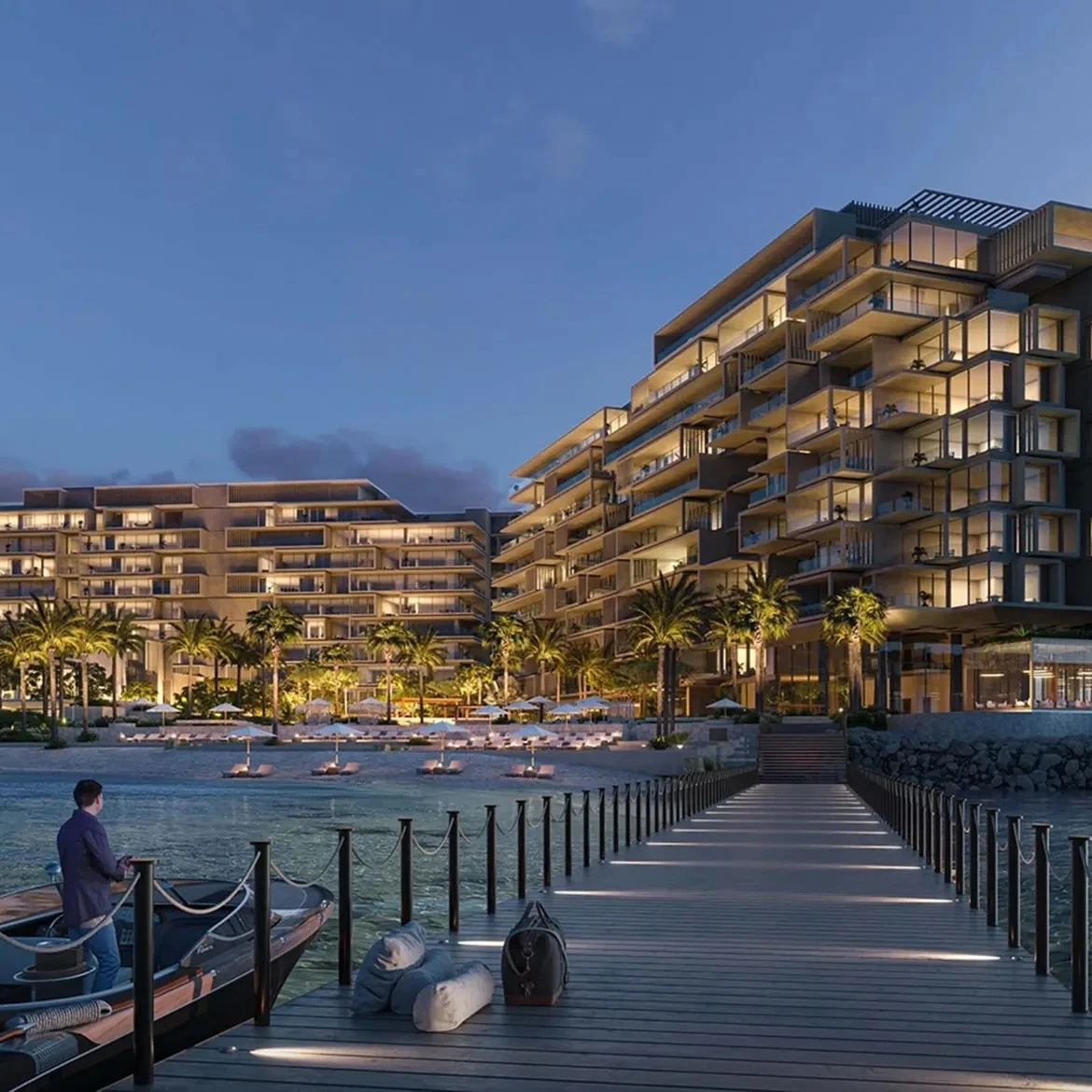
Back in Dubai, hoteliers I spoke to repeatedly referenced the city’s knack of transforming challenges into opportunities - its successful handling of the pandemic, which attracted swathes of tourists and new residents, was often mentioned as a case in point. A slew of high-profile new hotel openings over the coming months should further revive Dubai’s standing as one of the world’s most aspirational luxury getaways, including the launches of the country’s first Six Senses resort on The Palm and a dazzling new Baccarat Hotel in Downtown. In a telling appraisal of the city’s standing as a magnet for investment in luxury hospitality, it is only the second Baccarat Hotel to open globally since the original launched in New York in 2015.
Qatar
The CEO of Visit Qatar, Abdulaziz Al-Mawlawi concedes that the country has “been through a difficult time” of late. Still, the government’s rapid response to the crisis underpinned its commitment to supporting Qatar’s tourism industry. Suddenly stranded when the conflict broke out, some 12,000 foreign visitors and transit passengers were supported with complimentary stays and meals at around 200 Qatari hotels, with relaxed visa regulations introduced as they awaited repatriation flights home. As those international guests departed, hoteliers across the country focused on ways to keep operations going.
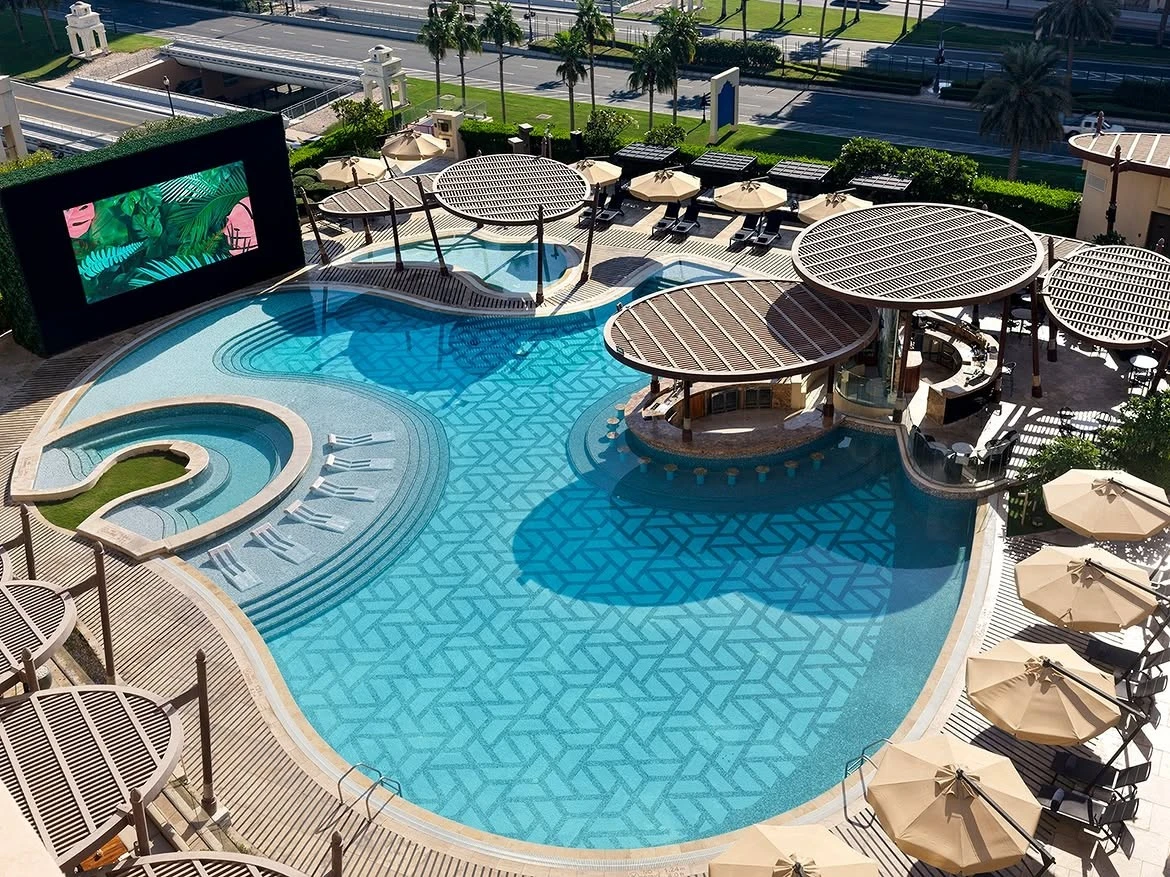
For Wael Maatouk, the Area General Manager at Hilton Hotels & Resorts in Qatar and with 20 years’ experience working across the GCC, the sudden unrest was unlike any previous crisis he had faced in the region. Its unique circumstances meant agility and flexibility were key: ”The impact was immediate. What stood out most was not only the commercial challenge, but the human one, protecting our teams, reassuring our guests and maintaining confidence in hospitality at a time when people’s priorities had changed overnight.”
That pressure was the catalyst for a rapid shift from relying on inbound travel to proactively engaging diverse local markets, incorporating long-stay offers, government and essential business outreach, staycations and F&B initiatives. Market demand was reviewed almost daily, packages adjusted quickly, and hotel staff empowered to action guest requests immediately. For Maatouk, approaching domestic consumers “with the same level of sophistication as we would any international source market” let locals know their custom was genuinely valued at a time when they needed to “relax, reconnect and feel cared for.”
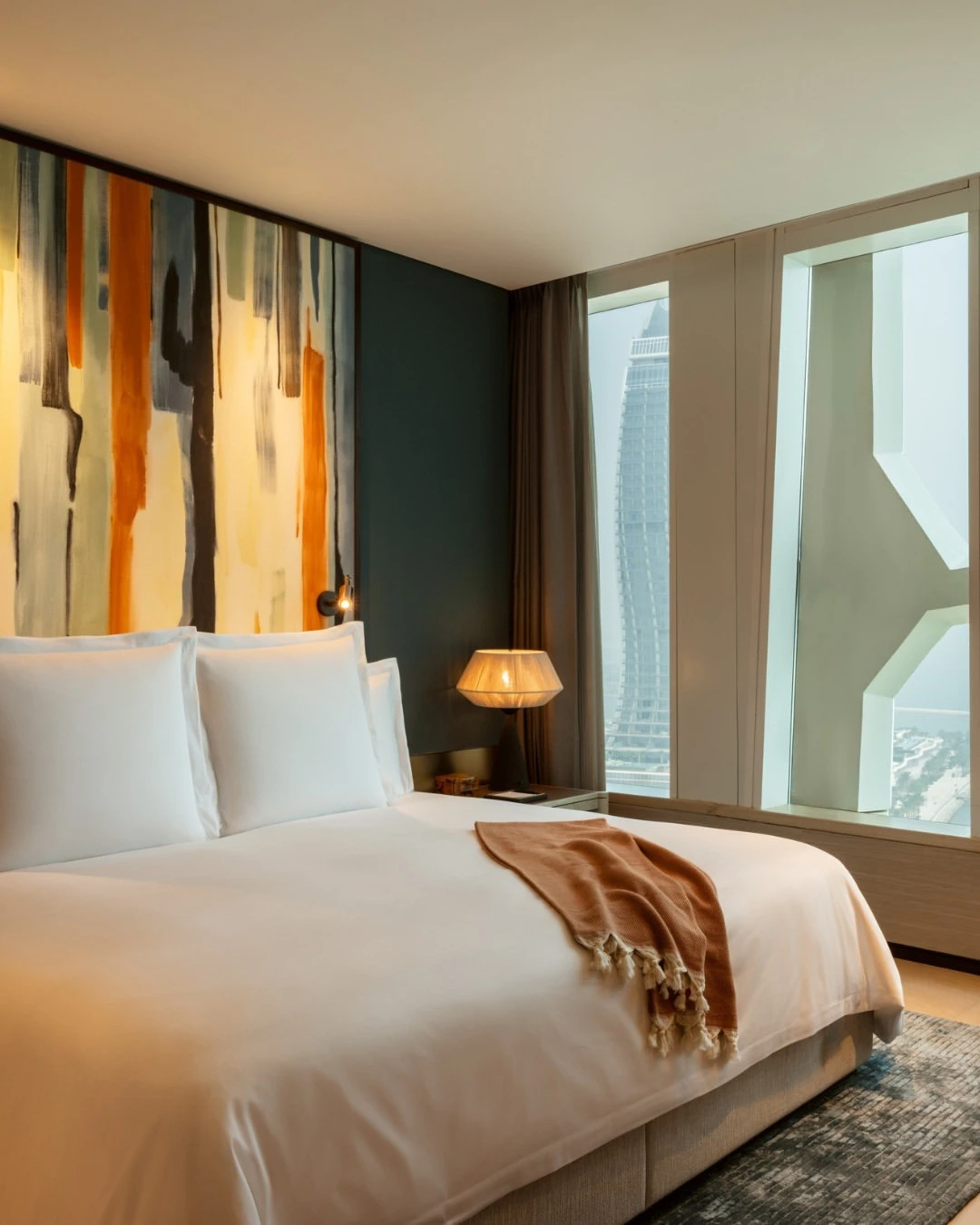
Other Qatari hotels looked to creatively appeal to those same customers. At a time when so few people could confidently plan international travel, Rosewood Doha quickly conceived a Taste of Rosewood culinary concept that introduced signature dishes from global Rosewood hotels at venues throughout the recently launched Qatar property. That included a Claude Monet-inspired take on Rosewood London’s lauded Art Afternoon Tea that was served in the hotel’s Butterfly Room lounge and Rosewood Guangzhou’s Michelin-starred dim sum selection, from its lobster dumplings to scallop sui mai, appearing on the menu at Chinese restaurant Koo Madame. That storytelling initiative has been so well received that other cross-property collaborations are now under discussion.
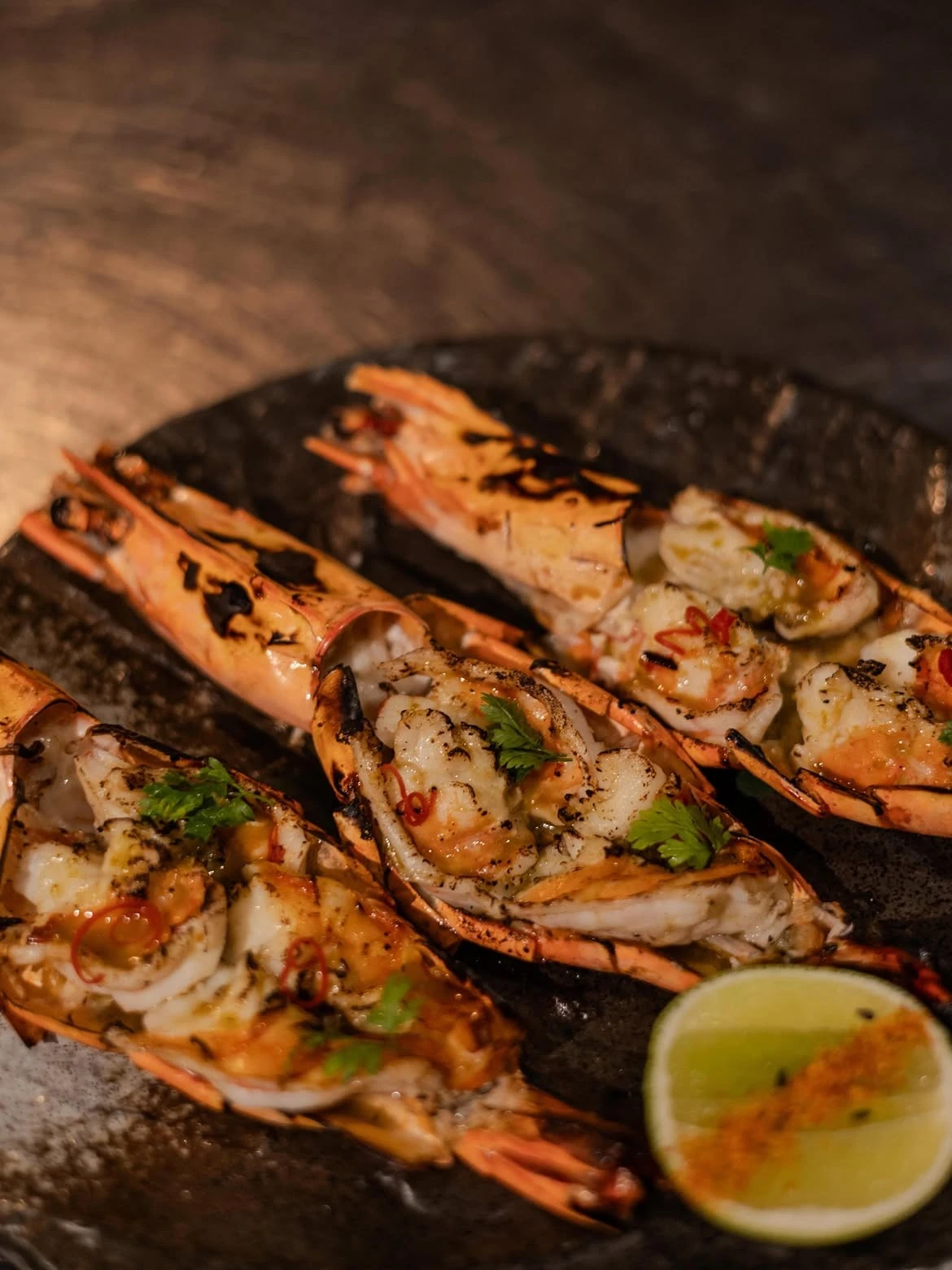
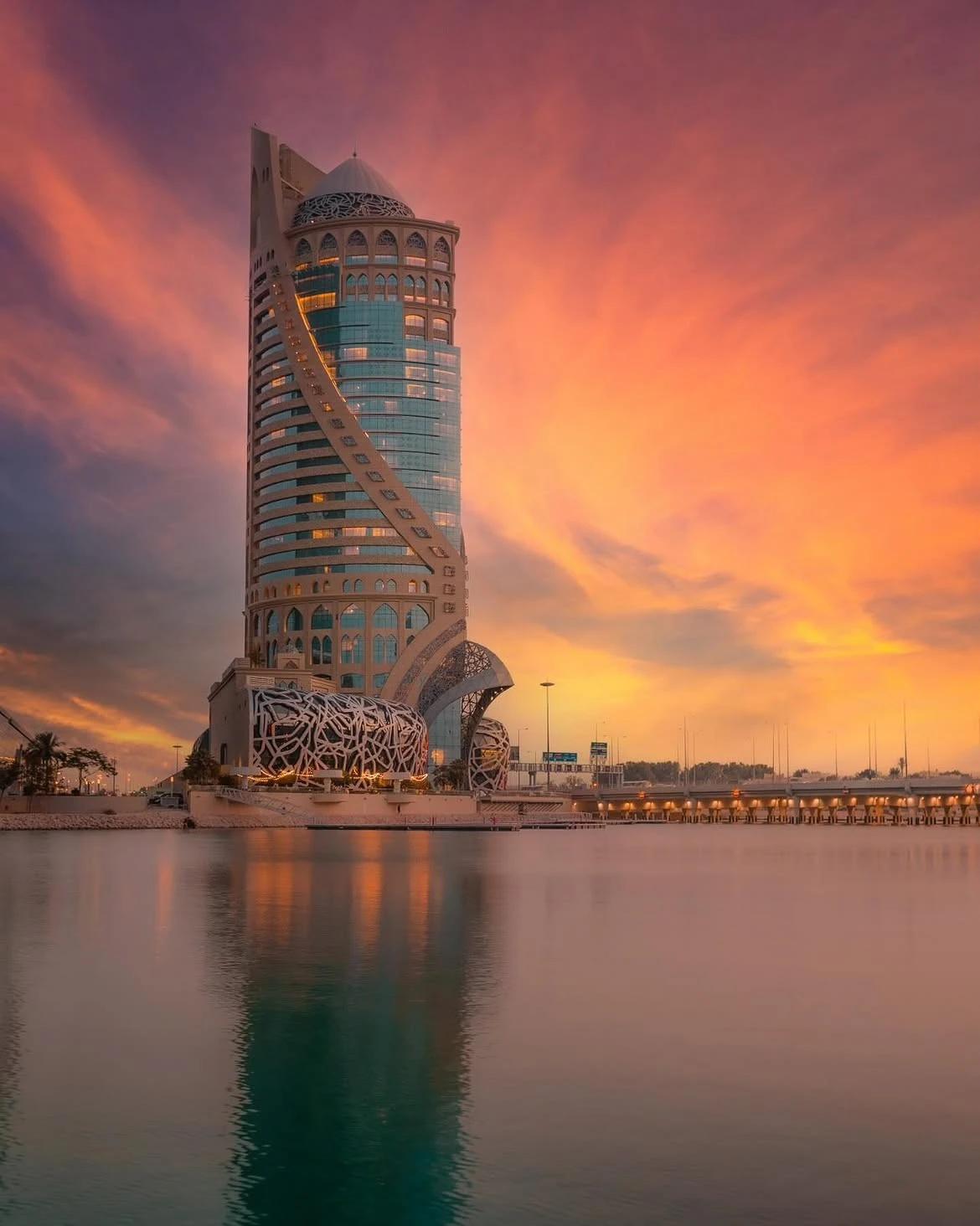
At Mondrian Doha, already one of Qatar’s quirkiest hotels with its stained-glass domed roof and 24k gold elevator, Commercial Director Peter Haber and his team treated the period of unrest as “an opportunity to refine our offering, invest in the guest experience and prepare for the next phase of growth.” In part that has meant introducing concepts that “reinforce Mondrian Doha’s reputation as a lifestyle destination rather than simply a place to stay,” a crucial step that will be “a permanent pillar of the hotel’s strategy” as it looks to better engage local markets. To that end, expect to see a new interactive dining experience debut at Japanese restaurant Morimoto in the near future; an expanded portfolio of multi-day wellness retreats launch at the spa; and a greater focus on live entertainment and mixology at the Smoke & Mirrors cigar lounge.
Those property-specific initiatives are being complemented by Visit Qatar, too. Its current Hala Summer campaign is promoting the destination regionally, while a fresh marketing push towards the global market is planned for later in the year, no doubt aiming to regain the momentum of 2025 when the country welcomed a record 5.1m visitors. Buoyed by hard data, Hilton’s Maatouk is confident such measures will soon bring crowds back to the country: “Looking ahead to autumn, our on-the-books business is currently higher than the same period last year.”


